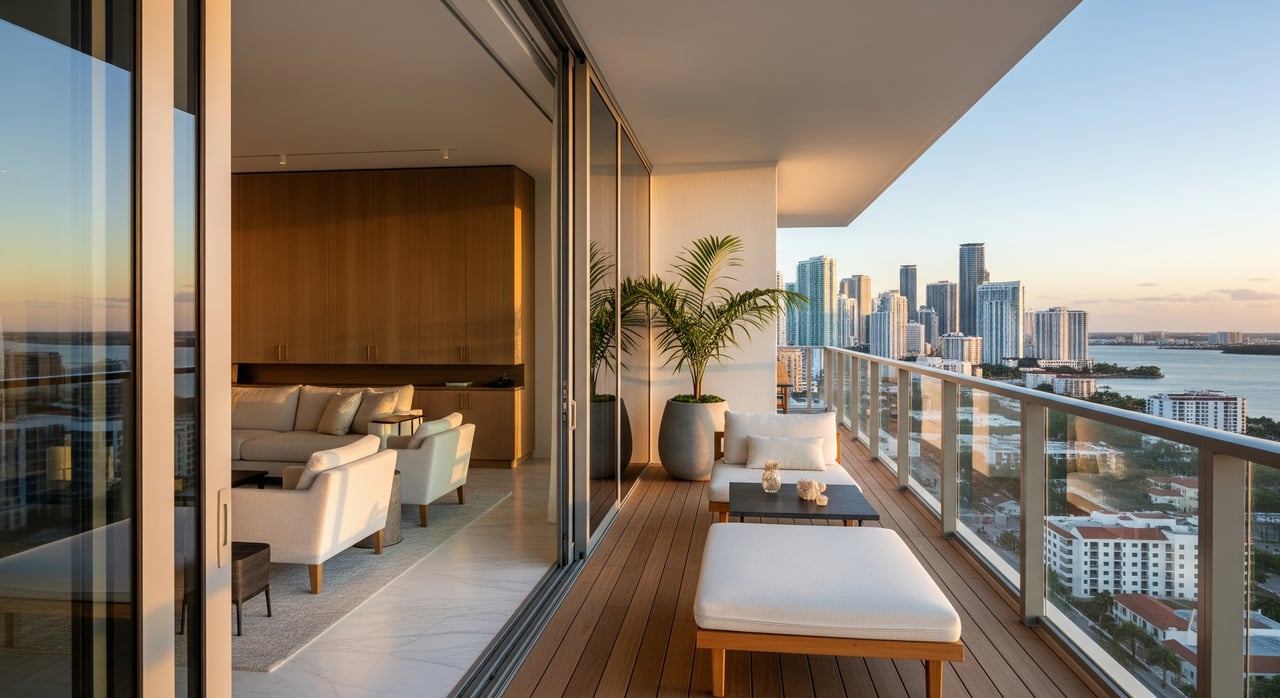
Thinking about a Brickell condo but not sure how to read the market noise? You are not alone. With dozens of towers, ongoing development, and varied condo rules, it can be hard to compare apples to apples. In this guide, you will learn the key metrics that matter, how to vet a specific building, and smart steps to structure an offer with confidence. Let’s dive in.
Read Brickell numbers like a pro
Brickell moves fast, and the right data helps you stay ahead. Focus on inventory, days on market, list-to-sale ratios, and price per square foot. Compare neighborhood trends to the specific building you like to spot red flags or advantages.
Inventory and absorption
Months of inventory equals active listings divided by average monthly sales. Lower months of supply suggest tighter conditions for buyers, while higher levels indicate more negotiating room. In a neighborhood with steady new deliveries, pay attention to absorption, which is how quickly units are selling relative to new supply.
Where to look: the local MLS and brokerage market snapshots, plus closed-sale records from the Miami-Dade County Property Appraiser. Confirm the report reflects Brickell, since neighborhood boundaries vary by source.
Days on market
Days on market shows how long units take to go under contract. Short timelines can signal strong demand or accurate pricing. If a building’s typical days on market is much longer than Brickell as a whole, dig into possible causes like outdated finishes, stricter rental rules, or pending projects.
List-to-sale ratio
This ratio compares the final sale price to the last list price. Numbers near or above 100 percent suggest competitive bidding or well-priced listings. A lower ratio can indicate consistent room for negotiation. Check methodology with your data source, since the ratio may use the original list price or the last price after reductions.
Price per square foot
Use price per square foot to compare units of different sizes, then adjust for unique features. View lines, floor height, balcony size, parking, and storage can drive meaningful differences. Medians are helpful in Brickell, since a few ultra-luxury sales can skew averages.
Building factors that change value
Even in the same block, buildings can perform very differently. Your goal is to understand the association’s financial health, rules, insurance, and project history before you write an offer.
HOA fees and reserves
Review what the monthly fees include and how reserves are funded. Ask for the most recent reserve study, the annual budget, and current reserve balances. The Florida Condominium Act and the Florida DBPR Division of Condominiums outline association responsibilities and helpful FAQs for owners.
Red flags include older towers with very low fees, frequent fee spikes, or thin reserves. A well-funded plan for future capital work reduces the risk of surprise costs.
Assessments and history
Check for active special assessments and the history of assessments over the past several years. Board minutes often reveal upcoming projects that could lead to future assessments. You can structure your offer to request the seller pay any current assessments or to adjust price for projected work.
Litigation and claims
Active litigation can affect resale demand and financing. Ask the association for a litigation summary and search public records through the Miami-Dade Clerk of Courts. Understand whether cases involve construction defects, insurance disputes, or board matters, since lender reactions can vary by issue and severity.
Insurance and flood exposure
Confirm what the master policy covers and what you need through your HO-6 policy. Brickell’s coastal location means flood and wind exposure are part of the picture. Use the FEMA Flood Map Service Center to check a building’s flood zone and elevation. Also review the master policy deductible, since higher deductibles can lead to owner assessments after a major event.
Rental rules and owner-occupancy
Rental policies affect both yield and financing options. Read the declaration, bylaws, and rules for minimum lease terms, waiting periods, and any caps on investor-owned units. The Florida DBPR Division of Condominiums is a useful reference for condo rule basics and association procedures.
Amenities, parking, storage
Parking rights, deeded storage, and in-building services like valet, gym, and pool can shift pricing and resale appeal. Two otherwise similar units may trade very differently based on these practical features.
Building age and inspections
Ask about the age of roof, facade, elevators, and mechanical systems, and whether any recertification or structural work is planned. You can review permits, certificates of occupancy, and some inspection records through the Miami-Dade County Building and Permitting portal.
Watch the new-development pipeline
Brickell’s skyline keeps evolving. New towers bring fresh amenities and finishes that attract buyers, but large waves of supply in the same price band can pressure resale pricing.
Why it matters
If many similar units deliver at once, sellers may face longer marketing times or more concessions. For investors, new buildings can shift rental supply and rates. For owner-occupants, newer amenities may change buyer preferences within a building class.
How to research it
- Follow local business coverage for project announcements and updates.
- Check permits and construction milestones via Miami-Dade County Building and Permitting.
- Review developer press materials and sales center information for unit mix and timing.
- Compare features, parking, and amenities between upcoming projects and your target building to see where competition is strongest.
Remember that delivery dates often slip, so treat timelines as estimates.
Your due diligence checklist
Before you commit, gather the right documents and give yourself time to review them carefully.
- Most recent association budget and financials, including reserve balances.
- Reserve study and any capital improvement plans.
- Current HOA fee schedule and special assessment history for the last 3 to 5 years.
- Declaration, bylaws, and rules, including rental and pet policies.
- Board meeting minutes for the last 12 to 24 months.
- Litigation summary and a public case search via the Miami-Dade Clerk of Courts.
- Estoppel certificate to confirm owner account status and fees.
- Insurance certificate for the master policy, plus flood zone verification through the FEMA Flood Map Service Center.
- Engineering or structural reports, facade or recertification documents.
- Permits, certificates of occupancy, and code compliance through Miami-Dade County Building and Permitting.
Offer strategy that fits the building
- If reserves are thin or assessments are active, ask for seller credits, escrow holdbacks, or for the seller to pay outstanding assessments.
- In fast-moving buildings with quick days on market and strong list-to-sale ratios, lead with clean terms and realistic pricing.
- Be ready for appraisal gaps on luxury listings. Plan extra down payment capacity if needed.
- Match your contingency timelines to the documents you need. Many buyers allow 5 to 14 days for condo-doc review based on local contract norms.
Financing and project eligibility
Condo financing depends on the building as much as the borrower. Lenders look at owner-occupancy, delinquency rates, litigation, reserves, and insurance. Some projects may not meet agency standards, which can limit loan programs or change down payment requirements. Review general guidelines through HUD condo project requirements and ask your lender about building eligibility early.
Investors: get the rental math right
If you plan to rent, confirm the minimum lease term, any waiting period, and renewal caps. Then estimate gross and net yields using current rents and realistic vacancy and expense assumptions. Include HOA fees, insurance, taxes, management, and a reserve for repairs. Use closed rental comps from local brokers and public records to validate your targets.
Concierge support for Brickell buyers
Buying in Brickell should feel exciting and informed. You deserve a hands-on advisor who blends market data with building-level insights, handles introductions to trusted lenders and attorneys, and, if you are abroad, supports you in English, Spanish, or Portuguese. For investors, full-service rental and property management can make your purchase turnkey. If you want a private, end-to-end strategy for your move or investment, connect with Pilar Ruiz De La Torre to map your next steps.
FAQs
What market metrics matter most in Brickell?
- Focus on months of inventory, days on market, list-to-sale ratios, and price per square foot, then compare building-level trends to the neighborhood for context.
How do I check a condo’s financial health?
- Review the budget, reserves, and reserve study, plus the last 12 to 24 months of board minutes and any special assessment history to gauge upcoming costs.
Where can I verify litigation or claims for a Brickell condo?
- Ask the association for a litigation summary and search public records through the Miami-Dade Clerk of Courts.
How do I confirm flood risk for a specific address in Brickell?
- Look up the property’s flood zone and elevation through the FEMA Flood Map Service Center and review the master policy’s wind and flood coverage.
What should investors know about rental rules in Brickell condos?
- Check minimum lease terms, any waiting periods, leasing caps, and renewal restrictions in the declaration and rules, and verify procedures with the Florida DBPR Division of Condominiums.
How can I research permits and building recertifications?
- Search permits, certificates of occupancy, and some inspection records through Miami-Dade County Building and Permitting and request engineering reports from the association.
