If you are thinking about a move to Weston, you are probably asking a simple question with a lot behind it: what does everyday life actually feel like there? Beyond listing photos and map pins, you want to know how the city functions, how easy daily routines feel, and what kind of housing and amenities shape the experience. This guide walks you through Weston’s community layout, home styles, recreation, errands, and commuting patterns so you can picture life there with more confidence. Let’s dive in.
What Makes Weston Feel Distinct
Weston is the westernmost city in Broward County and a relatively young one, incorporated in 1996. The city describes itself as a master-planned community, and that planning still shows up clearly in the way roads, neighborhoods, lakes, canals, and green spaces fit together.
Weston covers about 27 square miles and includes 1,877 acres of maintained lakes and canals plus 2,200 acres of wetland mitigation. Its boundaries are tied to major roads and the L-35 Levee, which helps explain why the city feels more intentionally organized than an older suburb that grew over time.
That planned identity also shapes the city’s appearance. Weston is known for landscaped entries, maintained water features, and a strong visual consistency supported by HOA communities, city maintenance responsibilities for many water bodies, and a tree-preservation ordinance.
Weston Housing at a Glance
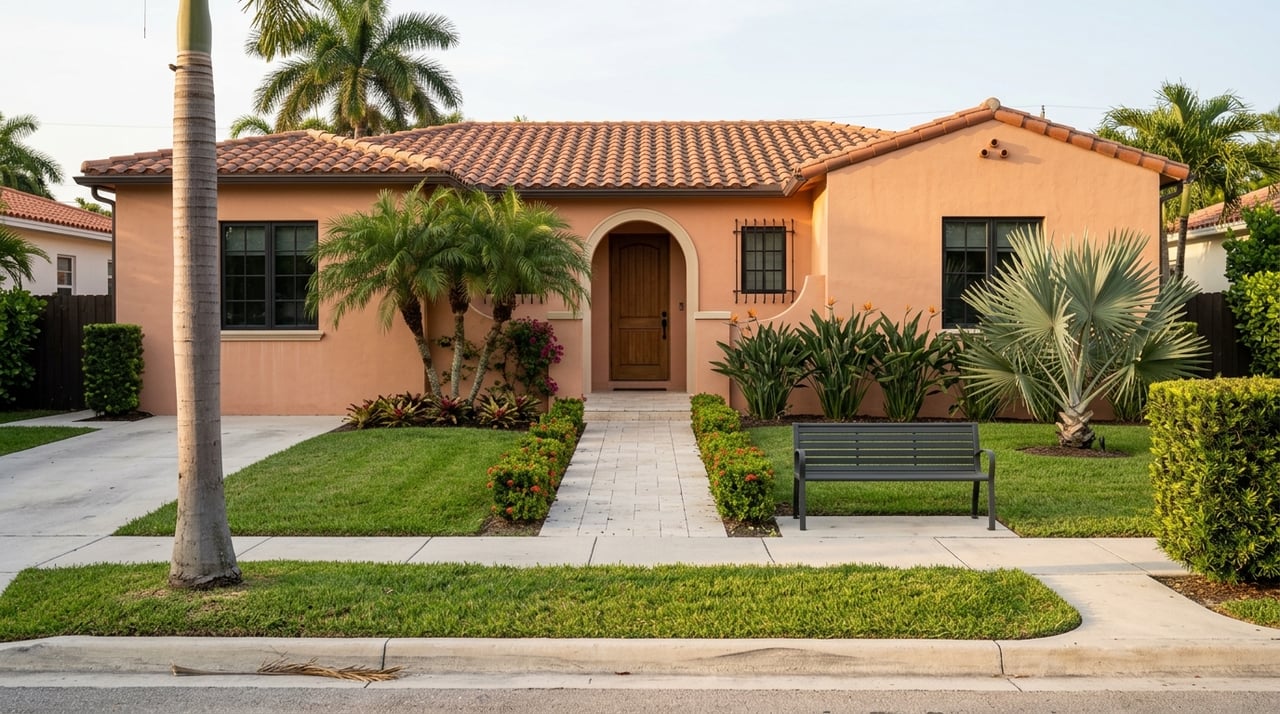
If you picture Weston as mostly detached homes, that is directionally true, but it is not the whole story. City planning materials show that about 42% of Weston is zoned for single-family residential use, and the city’s comprehensive plan describes single-family homes as the predominant housing type.
At the same time, Weston includes a broader housing mix than many buyers expect. Local housing programs reference single-family homes, villas, townhomes, and condos, which gives buyers a wider set of options depending on budget, lifestyle, and maintenance preferences.
Higher-density residential areas are concentrated near Indian Trace and Weston Town Center. That can appeal if you want to stay close to shopping, dining, and services while keeping a more compact home footprint.
The older Bonaventure area is also worth noting. The city identifies it as having a meaningful share of Weston’s more affordable housing stock, making it part of the conversation for buyers who want access to Weston with a different price point or a more established setting.
How Community Design Shapes Daily Life
A big part of Weston living happens inside private developments. According to the city, most residences are located in HOA-governed communities, and those communities typically handle internal infrastructure, private roadways, and landscaping.
For many residents, that translates into a more managed neighborhood environment. Streetscapes often look polished, common areas are maintained, and the overall feel can be cohesive from one section of a community to the next.
That does not mean every area feels exactly the same. Weston includes newer planned neighborhoods and older enclaves, so your day-to-day experience can vary based on where you live, what type of home you choose, and how much you value proximity to local amenities.
Parks and Outdoor Space in Weston
If outdoor access matters to you, Weston offers a strong park system. The city’s Parks and Recreation Department operates 15 municipal facilities, and Weston has more than 245 acres of park land.
This is not just about open green space. The city highlights athletic parks, bike-fixit stations, and a comprehensive trail system, which makes recreation part of everyday routines for many residents.
A current city project adds even more to that experience. Weston is developing an approximately 1.75-mile stabilized North Walking Nature Trail with exercise stations designed for walking, running, and biking.
Recreation That Feels Built In
One reason Weston stands out is that recreation feels programmed into the city rather than added as an afterthought. Town Center Park, for example, is a 6-acre linear waterfront park with an outdoor amphitheater, lighted walkway, restrooms, parking, and water views.
Weston Regional Park is another major anchor for community life. It includes the Weston Community Center, which offers year-round classes and programs for all ages.
The Weston YMCA Family Center adds another layer to the routine. It offers fitness classes, youth and adult sports, and an outdoor aquatic center, making it a practical option for residents who want activity close to home.
For racquet sports, the Weston Racquet Club provides year-round tennis programming for children, teens, and adults. Combined with city leagues, court rentals, concerts, arts events, and cultural celebrations, Weston supports a lifestyle that can be as active or as relaxed as you want it to be.
Everyday Errands and Local Convenience
One of the most useful things to know about Weston is how much daily life can stay local. Weston Town Center serves as a central hub with shopping, dining, salons, professional services, and recurring events.
That means you may be able to handle a surprising number of routine stops without leaving the city. The city’s community resources also point residents to Cleveland Clinic Florida’s Weston campus, Broward Health Weston, Baptist Health Urgent Care, the Weston Branch Library, and the U.S. Post Office.
For buyers relocating from a denser urban area, Weston may feel more spread out and car-oriented. But it is not a place where you need to leave town for every appointment, errand, or casual meal.
Commuting and Getting Around Weston
Weston is fundamentally suburban and road-based. If you move here, your daily routine will likely revolve around driving, planned routes, and proximity to major roads.
That said, Weston is not disconnected from the wider region. Broward County Transit operates local and express service, and Broward MPO notes that the 595 Express routes connect Weston and Sunrise to Miami-Dade County.
The city also highlights Late Shift Connect, a Broward County Transit program for late-shift workers. For some residents, these transit options can provide a useful backup or a selective alternative, even though the overall lifestyle remains centered on the road network.
Current Census estimates put Weston’s mean commute time at 30.3 minutes. In practical terms, that suggests many residents balance suburban living with work and destinations across the broader South Florida area.
Who Weston Often Appeals To
Weston can work well for buyers who want a structured suburban setting with visible maintenance, organized amenities, and a broad range of residential choices. It may especially appeal if you value planned communities, outdoor recreation, and the ability to keep many routines close to home.
You may also find Weston attractive if you want options. Some buyers prioritize detached homes in private communities, while others prefer villas, townhomes, or condos near Town Center and other service corridors.
Because the city includes both newer planned neighborhoods and more established areas like Bonaventure, your search can be more nuanced than it first appears. The right fit often comes down to your preferred home type, commute tolerance, and how you want your daily life to flow.
What to Consider Before You Move
Before buying in Weston, it helps to think beyond square footage and finishes. Ask yourself how important HOA structure is to you, how often you expect to commute outside the city, and whether you want to live near parks, Town Center, or a more established residential area.
It is also smart to compare housing types carefully. A single-family home, villa, townhome, or condo can offer a very different ownership experience in terms of maintenance, layout, and neighborhood setting.
Most of all, spend time understanding how each part of Weston functions in real life. A home may look great online, but the right match usually comes from aligning the property with your routines, priorities, and long-term plans.
If you are exploring Weston as a primary home, relocation move, or investment in Broward County, working with a local advisor can help you narrow the choices faster and with more clarity. For tailored guidance on Weston homes, community options, relocation support, and full-service representation, schedule a private consultation with Pilar Ruiz De La Torre.
FAQs
What types of homes are common in Weston, Florida?
- Weston is predominantly made up of single-family homes, but the local housing mix also includes villas, townhomes, and condos.
What is everyday life like in Weston, Florida?
- Everyday living in Weston often centers on planned communities, local parks, Weston Town Center, and road-based routines for errands, recreation, and commuting.
Does Weston, Florida have parks and recreation?
- Yes. Weston has more than 245 acres of park land, 15 municipal facilities, trails, athletic spaces, community programs, and amenities like Town Center Park and Weston Regional Park.
Is Weston, Florida convenient for errands and appointments?
- Many routine needs can be handled locally through Weston Town Center and nearby services such as healthcare facilities, the library, and the post office.
How do most people commute from Weston, Florida?
- Weston is primarily a car-oriented suburb, though Broward County Transit local and express options, including 595 Express connections, provide some regional transit support.
What makes Weston, Florida feel so planned?
- Weston’s master-planned design, HOA-governed communities, maintained lakes and canals, landscaping standards, and tree-preservation approach all contribute to its organized feel.
