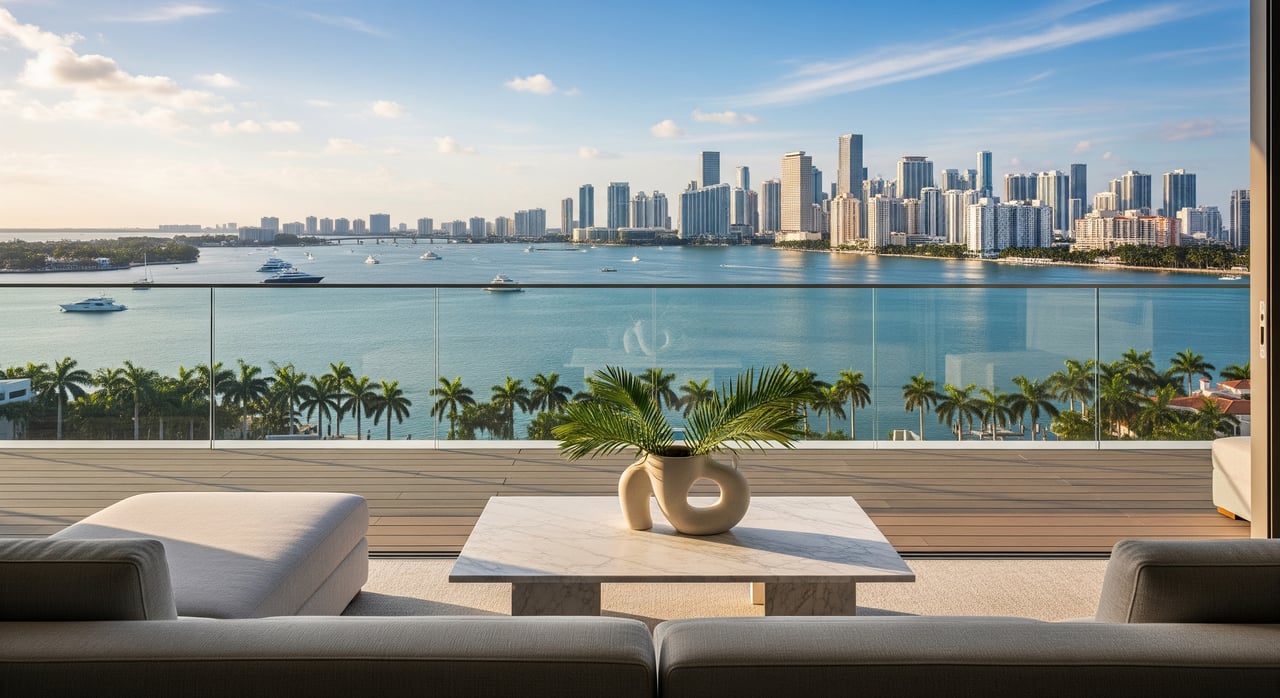
Thinking about making Brickell your next home base? If you want an urban lifestyle with skyline views, waterfront walks, and dinner spots steps from your lobby, this neighborhood deserves a close look. At the same time, condo living, HOA fees, and construction are real parts of daily life here. In this guide, you’ll learn what it feels like to live in Brickell, how you’ll get around, where you’ll spend your time, and what to budget and check before you sign. Let’s dive in.
Brickell at a glance
Brickell is Miami’s financial district and a high-density residential hub clustered along Brickell Avenue and Biscayne Bay. By day, office towers bring in a large working crowd. Evenings and weekends shift to restaurants, lounges, and waterfront walks.
Homes here are mostly high- and mid-rise condos. You will find studios up to multi-bedroom residences, often with pools, gyms, concierge, and valet. Single-family homes are rare, so plan for vertical living and shared amenities.
The resident mix reflects Miami’s international energy. Many young professionals live close to work, and you’ll meet international owners who use condos as primary homes, pied-à-terres, or investment properties. Expect a higher share of renters than in suburban areas.
Daily rhythm and walkable living
One of the best parts of living in Brickell is walkability. Many residents can get coffee, groceries, fitness classes, and dinner on foot. Newer buildings and mixed-use centers create active sidewalks with retail and restaurants at your doorstep.
Traffic is part of the urban tradeoff. Brickell Avenue and nearby arterials carry heavy volumes, especially at peak times. If you prefer calmer streets, you may appreciate inner blocks and Brickell Key, where the pace is a bit softer.
Noise and nightlife are part of the scene near certain corridors. If quiet nights are your priority, pay attention to building orientation and proximity to late-night spots during your tours.
Getting around without the hassle
Brickell offers a rare Miami combo: dense transit options and easy regional connections.
- The Metromover is free and loops through Brickell and Downtown, which makes short trips and office commutes simple. You can connect to the Metrorail at Brickell Station. Check routes and schedules on the Miami-Dade Transit site.
- Metrorail links Brickell to key parts of Miami-Dade County. Some airport trips require a transfer, so test your route at different times.
- Ride-hail is common, and you will see scooters and bike shares around retail nodes. Some residents skip owning a car to avoid parking costs and because daily needs are close by.
- For regional travel, MiamiCentral in the downtown area hosts Brightline service to Fort Lauderdale, West Palm Beach, and other South Florida stops.
Where you eat, shop, and unwind
Dining in Brickell leans diverse and upscale, with strong Latin and international influences. Rooftops and lounges create a lively evening scene, especially on weekends. If you want quieter nights, consider distance from those clusters when choosing a building.
For shopping and daily errands, Brickell City Centre and Mary Brickell Village anchor the neighborhood with restaurants, retail, and grocery options. Many buyers and renters target buildings within a short walk of these hubs for convenience.
Parks and waterfront routines
If you love water views, Brickell delivers. The bayfront promenade and Brickell Key are popular for walking and jogging with Biscayne Bay as your backdrop. You can access nonmotorized water recreation, like kayaking and paddleboarding, from nearby launch points.
Urban green space tends to be smaller pocket parks and plazas within Brickell. Larger parks, including Bayfront Park and Maurice A. Ferré Park, sit just north in the broader downtown area and are easy to reach by foot or Metromover.
Housing and costs to plan for
Condo living in Brickell comes with amenities and costs you should budget for upfront.
- HOA fees are significant. Fees typically cover building management, security, common-area insurance, and amenities like pools and gyms. Always review budgets, reserves, and any special assessment history.
- Parking can be an extra fee or a separate purchase. Some residents choose units with dedicated spaces. Others rely on transit and ride-hail to avoid monthly parking costs.
- Prices and rents move with Miami’s broader market cycles and international demand. New tower openings can also shift supply and expectations. For current pricing, use recent MLS-aligned reports and consult your advisor for the latest comparables.
Climate, flood risk, and insurance basics
Brickell is low-lying on the bay, which means you should plan for flood risk and long-term sea-level-rise exposure. Lenders often require flood insurance in applicable zones, and premiums can be a meaningful line item. Building elevation, flood pumps, and mitigation features vary by tower.
- Check property-specific risk on the FEMA Flood Map Service Center and confirm building elevation details when you review disclosures.
- Review what the building’s master insurance covers and what you need for your unit. Compare wind and flood coverage and ask about prior claims.
- During hurricane season, follow guidance from the National Hurricane Center and confirm your building’s storm procedures.
What Brickell is and is not
Brickell is ideal if you want an urban lifestyle with short commutes, strong dining and nightlife, and easy access to transit. Investors also value the steady tenant demand from professionals and visitors.
It may be less ideal if you want a private yard or single-family home living. Space is more limited than in the suburbs, and construction noise or lane closures can occur as new projects rise. If you value quiet evenings, focus on building orientation and floor height during your search.
Smart questions to ask before you buy or rent
Use these prompts to compare buildings and units across Brickell:
- What are the building’s pet, guest parking, and move-in rules?
- What is the HOA’s financial health, reserve study status, and recent assessment history?
- What is the building’s flood and claims history, and how is the lobby and garage elevation designed?
- How do commute times look at peak and off-peak by car, Metromover, and Metrorail?
- How noisy is the unit at different times of day? What is the exposure to main roads or nightlife?
- What are the parking terms and monthly costs, if any?
- How close are groceries, pharmacy, and fitness to the building entrance?
- Are there any short-term rental restrictions in the condo bylaws or city regulations? Review the City of Miami Planning and Zoning resources before assuming rental income.
Newcomer checklist for daily life
Moving into Brickell is easier when you plan for the essentials. Start here:
- Learn your nearest Metromover stops and Metrorail connections. Save the Miami-Dade Transit site for updates.
- Build a hurricane plan. Know your evacuation zone, prepare an emergency kit, and confirm storm procedures with building management.
- Treat HOA fees and parking as fixed costs in your monthly budget.
- Map your closest grocery, pharmacy, and delivery access points for smooth day-to-day living.
- Note construction zones around your building and plan alternate routes during peak hours.
Choosing the right Brickell building
Your best match depends on your daily routine and investment goals. If you plan to work nearby, prioritize easy Metromover access and a building with strong business-hour security and concierge service. If you are an investor, review leasing rules, historical vacancy, and local corporate housing demand.
For end users, weigh amenity quality against monthly fees. Newer towers may command higher dues for upgraded gyms, pools, and lounges. Older buildings can offer larger floor plans, but you will want to study reserve funding and planned capital projects.
Finally, consider your bayfront preferences. Waterfront views command a premium. Interior locations can offer quieter nights and more value per square foot. Tour units at different times to gauge light, sound, and traffic patterns.
The bottom line
Brickell blends city energy with a waterfront lifestyle that is hard to replicate in South Florida. If you value walkability, transit access, and a vibrant dining scene, you will feel at home here. If you prefer larger private spaces and minimal urban noise, a suburban neighborhood may fit better.
When you are ready to compare buildings, run numbers on HOA fees and insurance, and structure a smart offer, work with a local advisor who blends market insight with concierge service. Schedule a private consultation with Pilar Ruiz De La Torre to map the right Brickell strategy, including buyer and listing representation, relocation support, rental management, and introductions for mortgage and legal needs.
FAQs
What is daily life like in Brickell for new residents?
- Expect a walkable routine with restaurants, groceries, fitness, and transit close by, plus heavier traffic on main corridors and active nightlife in certain areas.
How do I get around Brickell without a car?
- Use the free Metromover for local trips and connect to Metrorail at Brickell Station, with ride-hail, scooters, and bike shares filling the gaps.
What condo costs should I plan for in Brickell?
- Budget for HOA fees that cover building operations and amenities, potential parking costs, and insurance premiums that can vary by building and flood zone.
Is flooding a concern for Brickell condos?
- Brickell is low-lying on Biscayne Bay, so verify FEMA flood zones, building elevation, and mitigation features, and confirm required insurance with your lender.
Where are the main shopping and dining hubs in Brickell?
- Brickell City Centre and Mary Brickell Village are the primary mixed-use nodes with restaurants, retail, and everyday services.
Are short-term rentals allowed in Brickell buildings?
- Rules vary by condo and the City of Miami, so read the building bylaws and review city regulations before assuming any short-term rental income.
