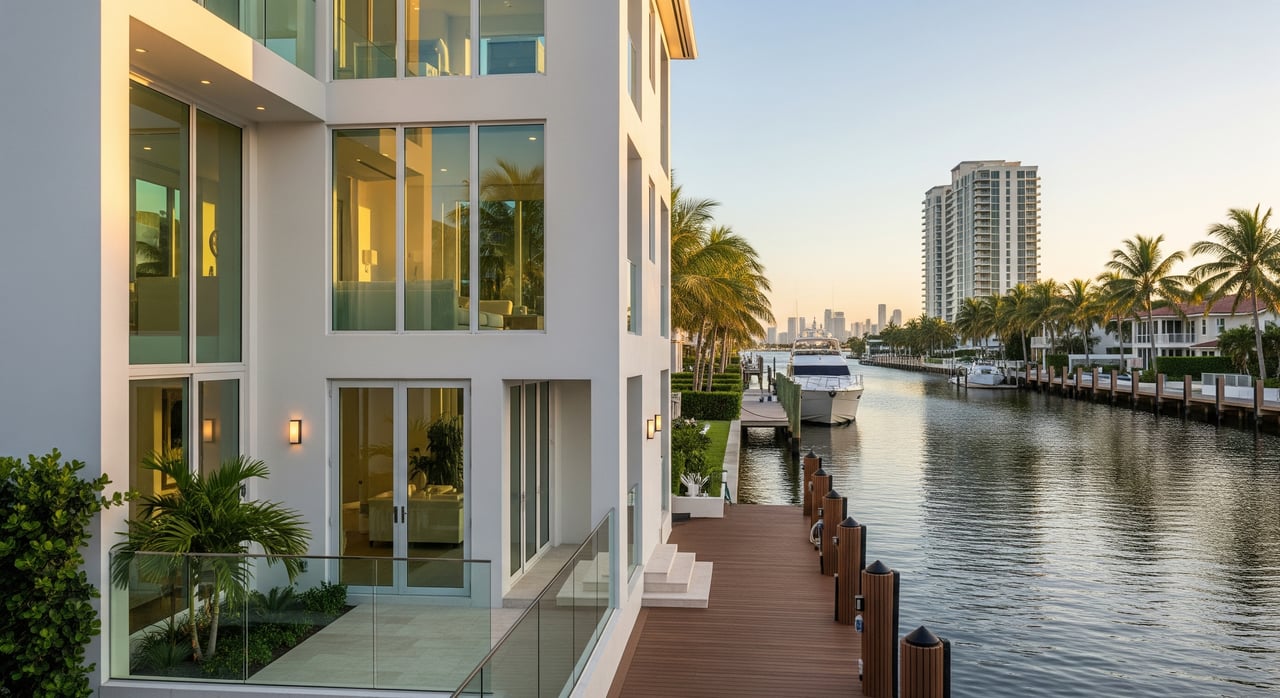
Thinking about a townhome or a condo in Fort Lauderdale but not sure which one fits your lifestyle and budget? You’re not alone. With waterfront options, marina access, and a range of HOA rules, the right choice depends on how you plan to live, use, and maintain your home. In this guide, you’ll learn the key differences in ownership, ongoing costs, maintenance responsibilities, rental flexibility, and dock access so you can decide with confidence. Let’s dive in.
Townhome vs condo: Florida basics
Choosing between a townhome and a condo starts with how Florida law treats each one.
What a condo typically means
- You own the interior of your unit and a share of the common elements, which may include the roof, exterior, elevators, parking, landscaping, and sometimes docks.
- A condominium association manages common areas, enforces rules, sets budgets, and collects assessments.
- The association often handles exterior and structural maintenance. You handle interior finishes and fixtures. Exact responsibilities vary by the building’s declaration.
- Insurance is split. Associations carry a master policy for the building. You carry an HO‑6 policy for your personal property, interior improvements, and loss assessment coverage.
What a townhome typically means
- You often own the structure and sometimes a small yard as fee-simple property. You may share walls with neighbors.
- A homeowners association manages shared facilities and enforces rules. Who maintains the roof, exterior, and landscaping depends on the recorded documents.
- You may take on more exterior maintenance and need broader insurance coverage (often an HO‑3) if you are responsible for the building shell.
- Some townhome communities still handle many exterior tasks. Always read the governing documents to confirm.
Bottom line: Condos often offer a more turn-key lifestyle with broader association maintenance, while townhomes can offer more control and privacy outside, with the tradeoff of more owner responsibility.
What drives your total cost
Your monthly number is more than the mortgage. In Fort Lauderdale, coastal risks, association scope, and waterfront features can shift costs in meaningful ways.
Association assessments and reserves
- Look beyond the fee amount. Confirm what the association actually covers, such as building insurance, roof, elevators, landscaping, security, amenities, bulk cable or internet, and any marina operations.
- Condos often have higher assessments because they insure and maintain major systems. Townhome fees may be lower if fewer shared systems are covered, but this is not guaranteed.
- Review the current budget, most recent reserve study, and the last two years of financials. Ask about any history of special assessments. Inadequate reserves can lead to large, one-time assessments.
Insurance in a coastal market
- Wind and hurricane risk affects premiums. Wind deductibles are often a percentage of insured value and can be a significant out-of-pocket cost after a storm.
- Flood insurance is common due to low elevation and FEMA flood zones. If financing, your lender may require it.
- For condos, understand what the master policy covers and where your HO‑6 picks up. For townhomes, you may need to insure the exterior structure depending on the HOA documents.
Taxes, utilities, and closing costs
- Property taxes in Broward County vary by assessed value and location. Waterfront and marina-proximate properties often carry higher assessments.
- Condos sometimes include water, trash, cable, or internet in the HOA fee. Townhomes are more likely to have separate meters.
- Budget for inspections common to Florida, such as wind mitigation and four-point inspections, especially for older buildings.
Pro tip: Request the budget, reserve study, 12 months of meeting minutes, master insurance certificate, and assessment history before you compare properties. These documents tell you more about financial health than the monthly fee alone.
HOA governance and building safety
Who runs the community and how they plan for the future matters as much as the floor plan.
- Get the full governing document set: declaration, articles, bylaws, rules, budget, reserve study, and meeting minutes.
- Confirm whether it is a condominium under Chapter 718 or an HOA under Chapter 720. The rules and your rights differ.
- Ask about recent engineering or structural assessments. After the 2021 Surfside tragedy, many associations increased their focus on reserves and structural safety.
- Review any engineer reports, planned repairs, or pending assessment votes. Buildings under litigation or facing large projects can see insurance changes and higher assessments.
If a building is older or mid to high rise, consider consulting a structural engineer or experienced inspector. Governance quality and reserve strength are key risk indicators.
Waterfront and dock access factors
Boat access can be a dream feature in Fort Lauderdale, but the details matter.
Types of slip access
- Deeded slip: The strongest form of ownership. It transfers with the property and is recorded in public records.
- Assigned or leased slip: Common in condos. The association controls terms, transfer rules, and fees. Availability can change.
- Nearby commercial marina: A private arrangement with its own contract, fees, and often a wait list.
Permitting and maintenance
- Docks, seawalls, and boatlifts typically require permits from city or county agencies, and sometimes state or federal bodies. Requirements vary by waterway.
- Who pays for seawall or dock repairs depends on your deed and association documents. Seawall replacement is a major capital expense and a common cause of special assessments in waterfront communities.
- Associations may require proof of boat and liability insurance for slip holders.
Practical boating considerations
- Confirm canal depth and bridge clearances for your vessel size and draft. Inland canals can limit boat size.
- Ask whether slips are deeded or assigned, if there is a wait list, monthly fees, and any guest or charter restrictions.
- Request permitting history for docks and seawalls and ask about recent repairs and expected remaining life.
If boating is central to your purchase, prioritize properties with secure, documented slip rights and clear maintenance obligations.
Rental flexibility and rules
Your ability to rent is shaped by the association, the city, the county, and state law.
- Association rules: Many communities limit short-term rentals or require minimum lease terms, such as 30, 90, or 12 months. Some cap the percentage of units that can be rented.
- City and county: Fort Lauderdale requires registration and compliance for vacation rentals in many areas. Broward County collects tourist taxes. Requirements vary by neighborhood and zoning.
- State context: Florida law interacts with local rules on licensing, safety, and business practices.
If rental income is part of your plan, get the rental policy in writing, confirm any caps, and verify local registration and tax obligations. Do not assume a condo permits short-term rentals just because it is near the beach.
Due diligence checklist
Request these items before you finalize your decision and share them with your attorney or advisor:
- Declaration, bylaws, articles, and rules and regulations
- Most recent budget, two years of financials, and current reserve study
- 12 months of board meeting minutes and any special meeting minutes
- Master insurance certificate and policy details, including deductibles and covered perils
- Current assessments, liens, and any proposed capital projects
- Rental policy and any pending rule changes
- Litigation disclosure and claims history
- List of amenities and what is included in HOA fees
- For waterfront: deed language for slips or seawalls, dock and seawall permits, any available elevation certificates
Recommended inspections and reports:
- General home inspection
- Structural or engineering review for older mid or high rises
- Wind mitigation and roof inspection
- Flood zone check and elevation certificate; get flood insurance quotes
- Marine contractor review of docks and seawalls
- Pest or termite inspection
Professionals to consult:
- Real estate attorney for document review and guidance
- Insurance broker with Florida coastal expertise
- Structural engineer for buildings with shared components
- Marine contractor for waterfront elements
- Local real estate agent with Fort Lauderdale waterfront experience
Key questions to ask:
- What does the master policy cover and what are the wind and flood deductibles?
- Are any special assessments planned or under consideration?
- How are slips assigned and do they transfer with the unit?
- Who is responsible for seawall and dock maintenance and what has been done recently?
Decision guide: find your fit
Use these common priorities to steer your choice. Your community documents should always confirm the final call.
Priority: Lowest exterior maintenance and a turn-key lifestyle
- Likely fit: Condo. The association usually handles exterior and major systems. Verify coverage and reserves.
Priority: Private outdoor control and potential deeded slip
- Likely fit: Townhome or fee-simple waterfront. Deeded slips are more common with townhomes, though some condos offer them.
Priority: Lower monthly HOA fees
- Likely fit: Often townhomes, if the HOA covers fewer shared systems. Compare budgets; do not assume.
Priority: Amenity-rich living close to urban hubs
- Likely fit: Condo with pool, gym, security, and on-site management.
Priority: Shielding from large exterior repair bills
- Likely fit: Condo, where exterior work is shared by owners through the association. Understand deductibles and possible assessments.
Priority: Short-term rental income
- Likely fit: Depends on association rules and city registration, not property type. Verify policies and licensing.
Next steps
If Fort Lauderdale is your target, start by clarifying your top two priorities: lifestyle features or budget certainty. Then pull the full association packet and insurance details for each property on your shortlist. A side-by-side review of coverage, reserves, and rental rules will make the best option clear.
If you want tailored guidance on specific buildings, dock rights, or HOA health, schedule a private consultation with Pilar Ruiz De La Torre. With concierge-level buyer representation, multilingual support, and local expertise across Broward and Miami-Dade, you will move from questions to a confident purchase plan.
FAQs
What is the main difference between a condo and a townhome in Fort Lauderdale?
- Condos usually include shared ownership of common elements with broader association maintenance, while townhomes often provide fee-simple ownership and more exterior control with potentially more owner responsibility.
How do HOA fees for condos and townhomes compare in Broward County?
- Condo fees are often higher due to building insurance and major system maintenance, while townhome fees may be lower if fewer shared elements are covered. Always compare what the fee includes and the reserve funding.
What insurance do I need for a Fort Lauderdale condo or townhome?
- Condo owners typically carry HO‑6 coverage for interiors and personal property, while townhome owners may need broader dwelling coverage if responsible for the exterior. Confirm the master policy and deductibles.
Can I get a deeded boat slip with my Fort Lauderdale home?
- Deeded slips exist but are less common in condos. Townhomes and fee-simple waterfront homes are more likely to include deeded slips. Verify deed records and association rules.
Are short-term rentals allowed in Fort Lauderdale condos and townhomes?
- It depends on the association’s rules and city registration requirements. Many associations restrict short-term rentals or set minimum lease terms. Confirm policies and any licensing before you buy.
What documents should I review before buying in an HOA community?
- Request the declaration, bylaws, rules, current budget, reserve study, two years of financials, 12 months of meeting minutes, master insurance details, rental policy, litigation disclosures, and any assessment history.
