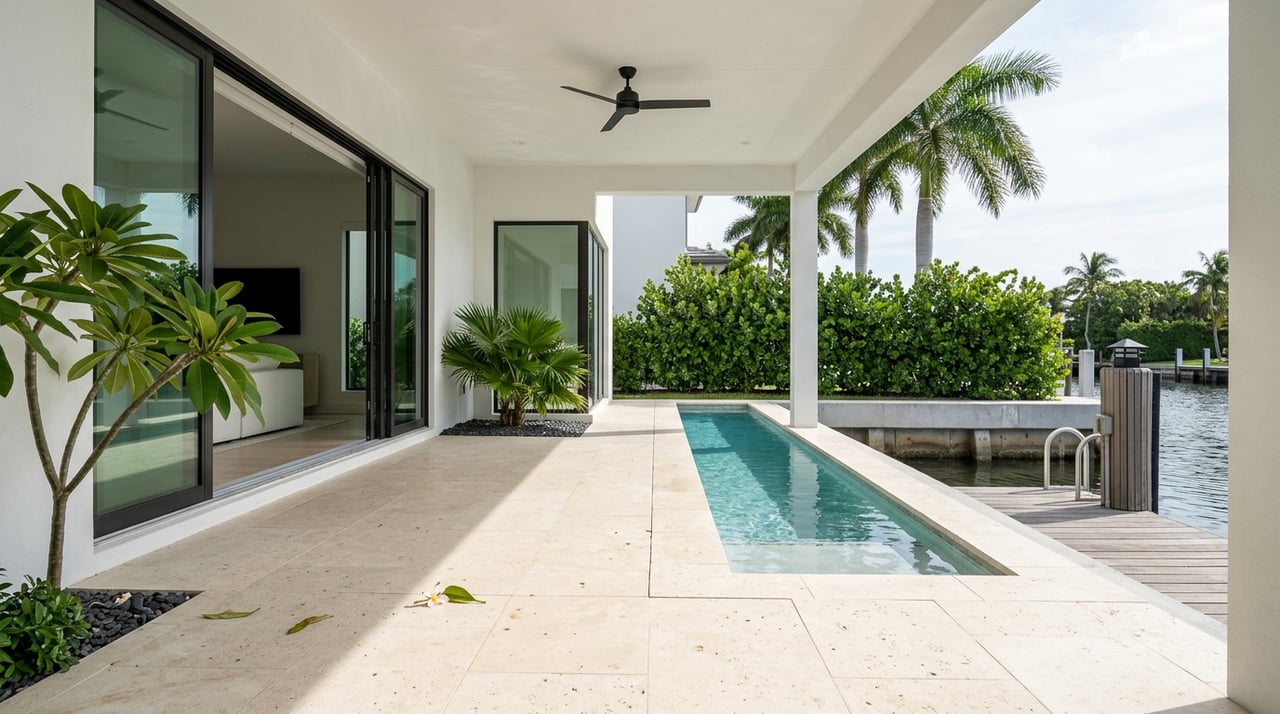
If you are thinking about buying on the water in Fort Lauderdale, you are not just choosing a home style. You are choosing a daily rhythm shaped by canals, beach access, boating routes, and how connected you want to feel to the city. That can be exciting, but it also means your best fit depends on more than the view. In this guide, you will learn how Fort Lauderdale’s waterfront is laid out, what different waterfront areas feel like, and which practical questions to ask before you buy. Let’s dive in.
Why Fort Lauderdale waterfront living stands out
Fort Lauderdale’s waterfront lifestyle is built into the city itself. The city identifies major water bodies that shape daily life here, including the Atlantic Ocean, the Intracoastal Waterway, the Middle River, the New River Canal, and other canals and waterways. It also maintains a Chief Waterways Officer, which shows how central water access and waterway management are to the city’s identity.
That local focus helps explain why waterfront living in Fort Lauderdale feels more layered than in many coastal markets. Greater Fort Lauderdale has more than 300 miles of navigable inland waterways, giving buyers more than one version of “waterfront.” You can be near the beach, on the Intracoastal, along residential canals, or close to the river and still have a very different day-to-day experience.
The shoreline also works as an everyday amenity, not just a weekend destination. Fort Lauderdale Beach, Fort Lauderdale Beach Park, Las Olas Oceanside Park, and other public beach sites offer a mix of sand, walking paths, splash areas, picnic spots, and recreation space. Ocean Rescue also maintains year-round lifeguard coverage from Fort Lauderdale Beach Park to NE 18th Street.
Waterfront zones buyers compare
Beachfront living
Beachfront living is often the first thing buyers picture when they think about Fort Lauderdale. This area gives you immediate access to the sand and a more pedestrian-friendly coastal routine, with public beach access points and park amenities nearby. If you want a home base that feels active, connected, and easy to enjoy without planning your whole day around it, this zone often stands out.
The beach corridor also has a stronger public and urban feel than many inland waterfront pockets. Places like Fort Lauderdale Beach Park and Las Olas Oceanside Park support a lifestyle that blends open shoreline with practical amenities. For many buyers, that means less emphasis on private dockage and more emphasis on convenience, walkability, and a lock-and-leave setup.
Intracoastal and isles neighborhoods
If you want a balance between boating access and city access, buyers often look toward the Intracoastal and isles areas. The city’s neighborhood mapping includes areas such as Harbor Beach, Las Olas Isles, Lauderdale Beach, Lauderdale Harbours, Coral Ridge Isles, Dolphin Isles, Harbour Isles of Fort Lauderdale, Hendricks and Venice Isles, Seven Isles, Sunrise Key, and Rio Vista. These areas are commonly compared by buyers who want a waterfront address that still feels tied to downtown and major corridors.
Rio Vista is a useful example of this middle ground. The city places it between US-1 and the Intracoastal Waterway, with the New River to the north and SE 12th Street to the south, and notes that beach access is relatively direct by way of 17th Street or Las Olas Boulevard. That kind of positioning appeals to buyers who want water views or boating access without feeling removed from restaurants, shopping, or transportation routes.
Las Olas Isles also reflects the city’s ongoing investment in key waterfront corridors. It has been part of a city utility undergrounding project, which signals reinvestment in the area. For buyers, that is a reminder that waterfront value is not only about lot placement or dockage, but also about how a neighborhood is maintained and improved over time.
Canal-front and riverfront neighborhoods
Canal-front and riverfront areas often appeal to buyers who want a more residential version of waterfront living. In these locations, the boating lifestyle can feel more integrated into the neighborhood itself. The focus is often less on public beachfront activity and more on direct water access, privacy, and the mechanics of owning on a managed waterway.
Lauderdale Isles is a strong example. The city describes it as ten canals plus a section of the North New River Canal, and its water-management district addresses aquatic vegetation, navigation hazards, canal cleanup, derelict vessels, manatee protection, and water-quality monitoring. That tells you something important as a buyer: in some parts of Fort Lauderdale, waterfront ownership comes with an active relationship to canal management, not just scenic value.
What daily life can look like
For boaters
If boating is a big part of your lifestyle, Fort Lauderdale offers more than private dock potential. The broader marine ecosystem is part of the appeal. Water Taxi operates seven days a week from 10 a.m. to 10 p.m., and the free Water Trolley also runs daily during those hours, giving you another way to move through the city by water.
Fort Lauderdale also has a strong marine identity beyond residential use. FLIBS is recognized as the largest in-water boat show in the world, and Port Everglades sits in Fort Lauderdale near the airport and beaches. It is also one of the three busiest cruise homeports in the world, which reinforces how deeply marine activity shapes the city’s culture and infrastructure.
For beach-focused buyers
If your ideal routine includes morning walks by the water, spontaneous beach time, or easy park access, beachfront living may feel like the simplest match. The city’s beach sites offer more than shoreline alone. Depending on the location, you may find walking paths, picnic areas, showers, restrooms, splash features, volleyball, and boat-ramp access.
That kind of setup makes beach living feel practical as well as scenic. Instead of planning for a full beach day, you can treat the shoreline as part of your normal week. For buyers who want the water as a daily backdrop rather than a boating asset, this is often a key distinction.
For remote, hybrid, and frequent travelers
For buyers who work remotely, split time between cities, or travel often, convenience matters. Visit Lauderdale notes that Fort Lauderdale sits between Miami and Palm Beach and highlights Brightline access. Its airport guide also says Fort Lauderdale-Hollywood International Airport is about three miles south of downtown Fort Lauderdale and minutes from the beach, Port Everglades, and major highways.
That combination can make waterfront living more functional than buyers first expect. You can enjoy a coastal setting while staying relatively close to downtown services, transportation, and Las Olas Boulevard’s shopping and dining corridor. If you want a home that supports both lifestyle and mobility, this is an important part of the picture.
Key questions to ask before you buy
How much convenience do you want?
A useful way to compare Fort Lauderdale waterfront options is convenience versus control. Beach condos often appeal to buyers who want a lower-maintenance, amenity-rich routine. Canal-front and isles homes often appeal to buyers who want more direct water access, more privacy, and more control over how they use the property.
Neither path is automatically better. The right choice depends on how you want to spend your time and what kind of ownership responsibilities you are comfortable with. For some buyers, easy beach access and shared amenities are the priority. For others, the goal is private dockage and a more residential setting.
What kind of water access matters most?
Not all waterfront is the same in practice. Some buyers care most about sand access and ocean views. Others care more about boating convenience, canal navigation, or being close to the Intracoastal.
As you compare properties, focus on how the water actually fits your routine. Ask yourself whether you want to launch into a boating lifestyle, enjoy a walkable beach setting, or simply live with water as a visual backdrop. Your answer will narrow the search quickly.
What maintenance and infrastructure should you expect?
Waterfront ownership usually comes with more infrastructure questions than non-waterfront homes. The city’s waterways office handles concerns such as canal issues, derelict boats, sewage leaks, and living seawall permit fee assistance. That is a helpful reminder that shoreline conditions and waterway management are part of the ownership experience.
Before you buy, pay close attention to the property’s shoreline setup, maintenance obligations, and any features that may require ongoing care. A beautiful lot can still be a poor fit if the maintenance burden does not match your expectations.
How comfortable are you with flood and insurance planning?
The city describes Fort Lauderdale as a low, flat area surrounded by water and notes that many residents live in or near a Special Flood Hazard Area. For buyers, this does not mean avoiding waterfront altogether. It means going in with a clear plan and asking informed questions early in the process.
Insurance and maintenance differences are part of the waterfront equation. A strong purchase strategy should account for those costs and responsibilities from the start. That way, you can choose a property that fits both your lifestyle goals and your comfort level.
A smart way to compare properties
When you tour waterfront homes in Fort Lauderdale, it helps to compare them through the same lens. Instead of getting pulled only by the view, look at the full lifestyle and ownership picture. That often leads to a more confident decision.
Here are five factors worth comparing side by side:
- Shoreline access
- View corridor
- Parking and access
- Maintenance responsibilities
- Flood and insurance comfort level
This approach works whether you are deciding between a beachfront condo, an Intracoastal residence, or a canal-front home. The right property is usually the one that supports how you actually plan to live, not just how the photos make you feel.
Fort Lauderdale offers a rare range of waterfront options, from beach-centered living to boat-oriented neighborhoods and quieter canal settings. If you know what matters most to you, the search becomes much more focused. And when you pair lifestyle goals with practical questions early, you are far more likely to buy with clarity.
If you want expert guidance comparing waterfront neighborhoods, condos, and canal-front homes in Fort Lauderdale, Pilar Ruiz De La Torre can help you navigate the options with a polished, concierge-level approach tailored to your goals.
FAQs
What makes Fort Lauderdale waterfront living different from other South Florida markets?
- Fort Lauderdale’s identity is closely tied to its oceanfront, Intracoastal, rivers, and canals, and Greater Fort Lauderdale has more than 300 miles of navigable inland waterways.
What Fort Lauderdale areas do buyers often compare for boating-oriented waterfront homes?
- Buyers often compare areas such as Rio Vista, Las Olas Isles, Lauderdale Isles, Harbor Beach, Lauderdale Harbours, Coral Ridge Isles, Dolphin Isles, Seven Isles, and Sunrise Key.
What Fort Lauderdale areas appeal to beach-focused waterfront buyers?
- Beach-focused buyers often look at Fort Lauderdale Beach, Fort Lauderdale Beach Park, Las Olas Oceanside Park, and neighborhood areas like Lauderdale Beach and Harbor Beach.
What should buyers compare when choosing a Fort Lauderdale waterfront property?
- Focus on shoreline access, view corridor, parking, maintenance responsibilities, and your comfort level with flood and insurance planning.
Can you live with less car use in Fort Lauderdale waterfront areas?
- In some cases, yes. Water Taxi, the free Water Trolley, Brightline access, and the proximity of Fort Lauderdale-Hollywood International Airport can support a more connected, less car-dependent lifestyle than many suburban coastal markets.
What practical issue should buyers expect with Fort Lauderdale waterfront ownership?
- Waterfront ownership can involve added attention to shoreline infrastructure, canal conditions, maintenance needs, and insurance planning compared with many non-waterfront properties.
